
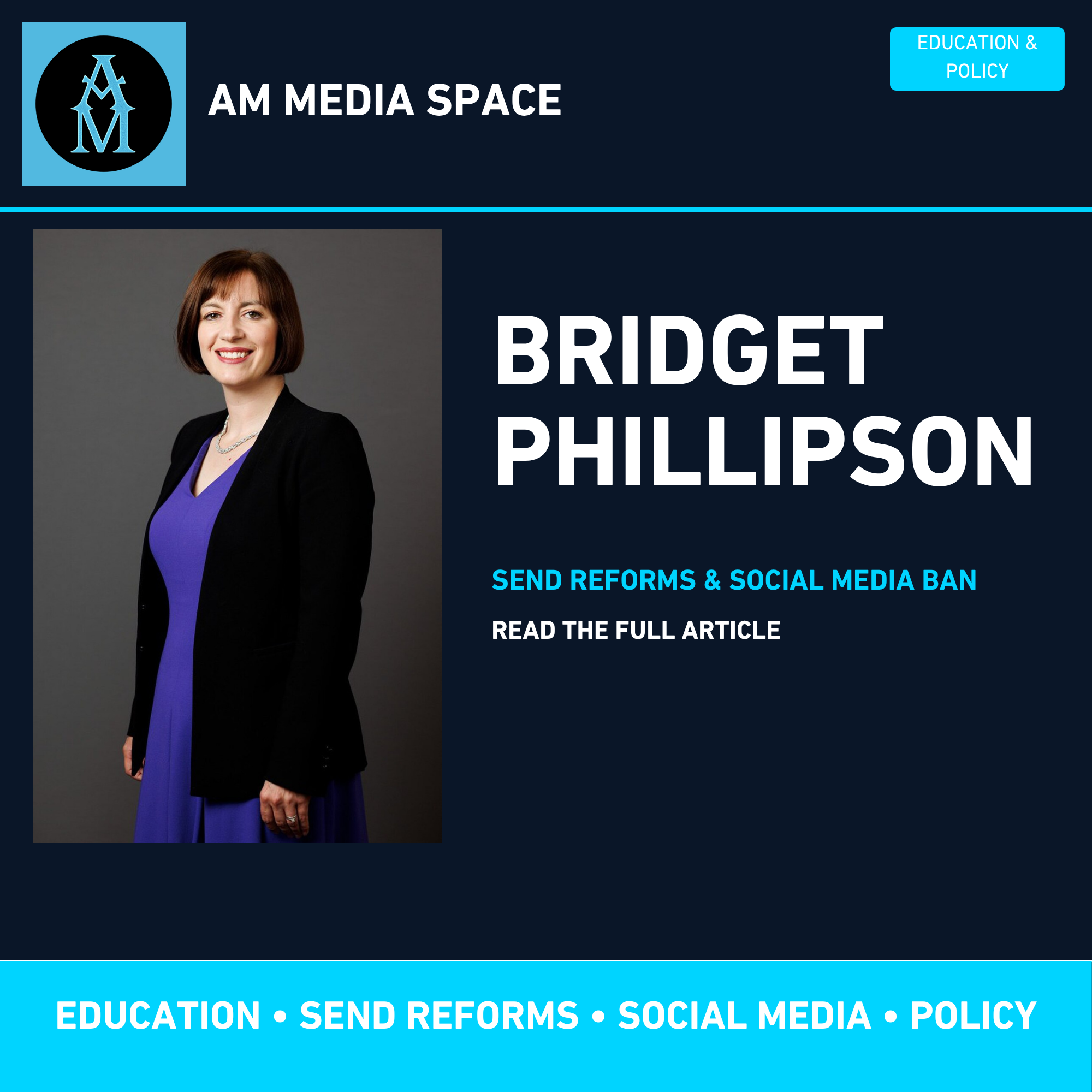
Bridget Phillipson and the Future of Childhood Policy: SEND Reform and Under-16 Social Media Rules
Bridget Phillipson, the UK Education Secretary, is currently at the centre of two of the most significant areas of children’s policy in government: major reforms to the SEND system in schools and new proposals aimed at restricting or regulating social media use for under-16s.
Together, these policies represent a broader shift in how the government is approaching childhood wellbeing, education, and online safety in England.
SEND Reform and the Future of EHCPs
One of the most controversial areas under Phillipson’s leadership is reform of the Special Educational Needs and Disabilities (SEND) system, particularly Education, Health and Care Plans (EHCPs).
EHCPs are legal documents that set out the support children with complex needs are entitled to in education. However, rising demand and funding pressures have placed significant strain on councils and schools.
The government’s reforms aim to reduce pressure on the system by shifting more support into mainstream schools through earlier intervention, while keeping EHCPs for the most complex cases.
Proposals include expanding school-based support systems, improving specialist training for teachers, and reducing reliance on legal processes to secure help.
Ministers argue the current system is too slow and adversarial, with too many families forced into legal disputes to access support.
Concerns Over SEND Changes
Despite government assurances, the reforms have sparked concern among parents and campaigners. Many argue that EHCPs provide essential legal protection and accountability for children with additional needs.
There are fears that reducing access to EHCPs could lead to inconsistency in support across schools and local authorities, depending on funding and resources.
Teacher unions and councils have also raised concerns about whether mainstream schools will have the staffing and funding required to deliver the level of support expected under the new system.
Under-16 Social Media Reforms
Alongside education reform, Bridget Phillipson is also involved in government discussions on regulating social media access for under-16s.
The proposals form part of a wider child safety agenda focused on reducing online harm, protecting mental health, and limiting exposure to inappropriate content.
Options being considered include stricter age verification, limits on platform features such as messaging and infinite scrolling, and increased responsibility for tech companies to prevent underage use.
The reforms would affect major platforms including TikTok, Instagram, Snapchat, and others widely used by teenagers.
Why the Government Is Acting
The government has argued that children are spending increasing amounts of time online, often without sufficient safeguards. Concerns include exposure to harmful content, social media addiction, and the impact of algorithms on mental health and wellbeing.
Ministers say the aim is not to ban social media entirely for young people, but to create stronger protections and ensure age-appropriate use.
Criticism and Debate
Both SEND reforms and social media restrictions have sparked debate about the role of government in regulating childhood experiences.
Critics of SEND reform worry about weakening legal rights for vulnerable children, while supporters argue the system is financially unsustainable in its current form.
On social media, some argue that restrictions may be difficult to enforce and could push young people toward unregulated platforms, while others believe stronger regulation is long overdue.
A Wider Shift in Childhood Policy
Taken together, these policies reflect a broader shift in how government is approaching childhood in the digital age. Education, wellbeing, and online safety are increasingly being treated as interconnected issues rather than separate policy areas.
Phillipson’s role places her at the centre of this shift, overseeing changes that could reshape both how children are supported in schools and how they interact with the digital world.
Conclusion
Bridget Phillipson’s work on SEND reform and under-16 social media regulation highlights the growing pressure on government to respond to complex challenges facing children today.
While supporters argue these reforms will create safer, more inclusive systems, critics warn of unintended consequences and implementation challenges.
The outcome will depend on how effectively policy balances protection, access to support, and the realities of schools, families, and digital life in modern Britain.
Comments