
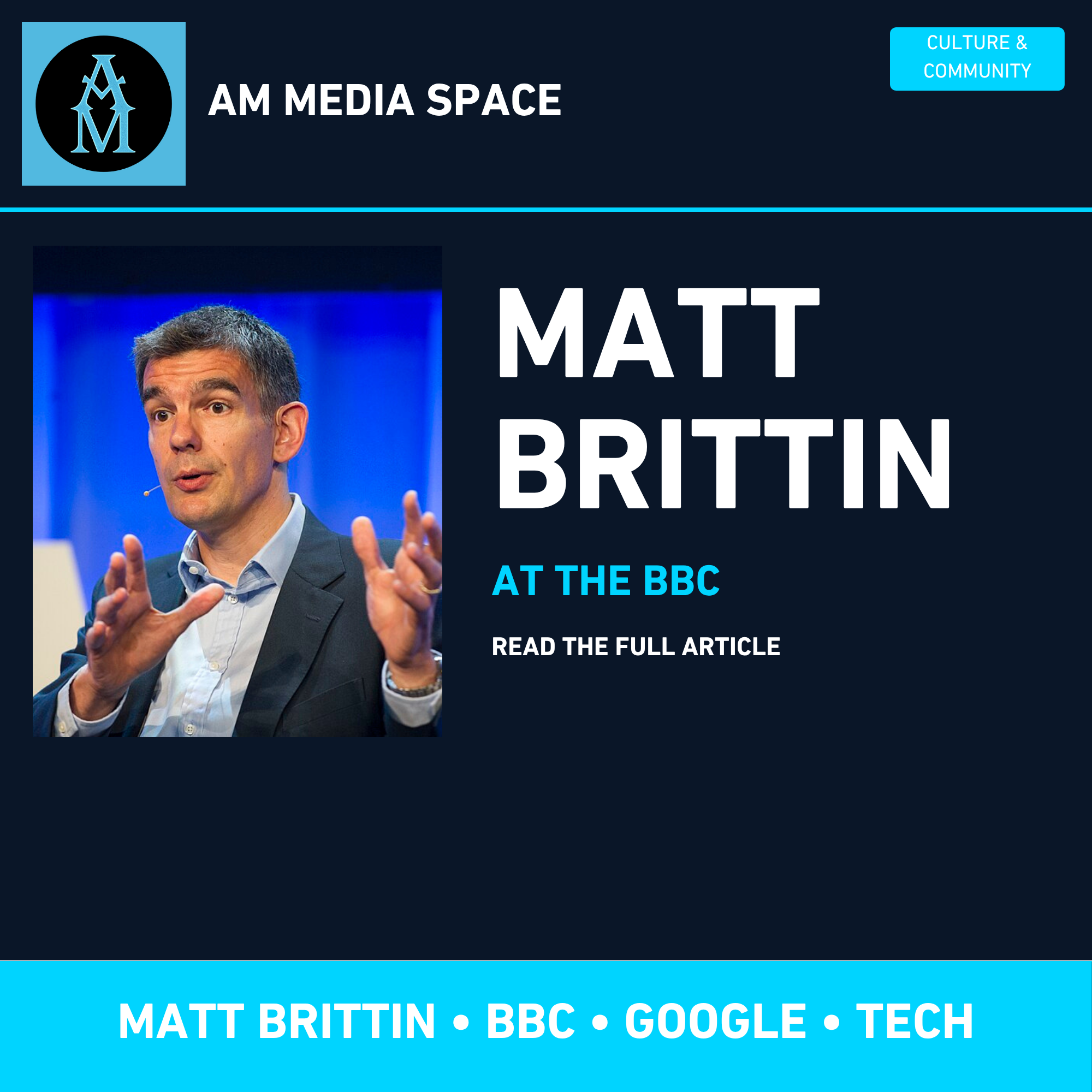
Matt Brittin and the Future of the BBC: Reform, Digital Change and Leadership Under Pressure
Matt Brittin has now taken up the role of Director-General of the BBC, leading the corporation at a time of major change across the broadcasting industry. His appointment marks a significant shift for the organisation, bringing in a leader with a strong background in technology and digital strategy rather than traditional broadcasting.
The BBC is currently facing a combination of challenges including declining traditional TV audiences, increased competition from global streaming platforms, ongoing debates around the licence fee, and questions over how to remain relevant in a rapidly changing media environment.
A New Type of BBC Leadership
Brittin’s arrival reflects a wider trend in media organisations seeking leadership experience from outside traditional journalism. Having previously worked as a senior executive at Google, his focus is expected to be heavily centred on digital transformation and audience growth across online platforms.
On taking the role, Brittin described the BBC as being at a turning point, stating:
"The BBC needs the pace and energy to be both where stories are, and where audiences are."
He also emphasised the importance of maintaining trust while adapting to change:
"To build on the reach, trust and creative strengths today, confront challenges with courage, and thrive as a public service fit for the future."
These comments highlight the dual challenge facing the organisation: modernising its output while protecting its long-standing reputation for public service broadcasting.
Digital Transformation and Competition
One of the central priorities for Brittin’s leadership is expected to be accelerating the BBC’s digital strategy. With younger audiences increasingly turning to platforms such as streaming services and social media, the corporation faces pressure to strengthen its online-first approach.
BBC Director-General leadership has already acknowledged this shift. His predecessor, Tim Davie, previously warned:
"We must accelerate our digital transformation if we are to remain relevant."
This reflects a wider industry reality in which traditional broadcasters are competing directly with global tech companies and on-demand platforms with far larger budgets and faster production cycles.
Trust, Impartiality and Public Service
Alongside digital reform, maintaining public trust remains a core responsibility of the BBC. The organisation has repeatedly faced scrutiny over impartiality and editorial standards, making trust one of its most important assets.
Former BBC Director-General Tony Hall previously highlighted the importance of the broadcaster’s role in society, stating:
"The BBC matters more than ever in a world of misinformation."
This reflects the ongoing expectation that the BBC must act as a reliable source of news at a time when misinformation spreads rapidly across digital platforms.
Current leadership has also reinforced this responsibility, with Tim Davie stating:
"We must be an organisation that is truly trusted by all audiences."
Funding and the Licence Fee Debate
The BBC’s funding model remains one of its most politically sensitive issues. The licence fee continues to be debated, with critics questioning its long-term sustainability and supporters arguing it protects independent public service broadcasting.
Tim Davie has previously defended the system, stating:
"The licence fee is the fairest way of funding public service broadcasting."
Any BBC leadership must navigate this debate carefully, balancing public expectations, political pressure, and financial sustainability.
Challenges Ahead
Brittin’s leadership comes at a time when the BBC is also facing broader structural pressures, including cost reduction plans, organisational restructuring, and increased competition for audience attention.
The organisation must continue to balance its traditional public service mission with the need to evolve into a digitally driven media company capable of competing globally.
This includes not only changes to technology and distribution, but also decisions about content strategy, representation, and how the BBC reflects modern Britain across all its platforms.
Conclusion
Matt Brittin’s tenure as Director-General marks a significant moment in the BBC’s evolution. His background in digital technology suggests a strong focus on modernisation, innovation, and audience growth in a highly competitive media environment.
However, the challenges he faces are substantial. Maintaining trust, securing sustainable funding, and adapting to changing audience habits will all be critical to the BBC’s future success.
The coming years will determine whether the BBC can successfully balance its historic public service mission with the demands of a fast-moving digital world.
Comments